


The web design landscape is constantly changing, and 2025 also promises exciting innovations. Innovative technologies and changing user expectations are driving developments and creating new opportunities for designers and developers. We take a look at the most important web design trends of 2025 that will shape the digital world.
AI-supported personalization: customized user experiences
Artificial intelligence has now found its way into almost every professional field. It is revolutionizing the way we design and experience websites, for example. AI-powered personalization makes it possible to tailor content and user interfaces to each individual visitor. Websites are becoming intelligent assistants that analyze user preferences and offer tailored experiences based on them. Personalized product recommendations, dynamic layouts and adaptive navigation structures ensure greater relevance and user-friendliness. These AI-driven customizations not only improve the user experience, but also increase conversion rates and customer retention.
The possibilities of AI personalization go far beyond simple product recommendations. Advanced algorithms analyze user behavior in real time and adapt the website structure, color schemes and even the tone of texts to individual preferences. This creates a unique, customized digital environment for each visitor. This profound personalization leads to longer visits, higher user satisfaction and, ultimately, better business results.
Mixed reality & immersive experiences: the fusion of digital and physical
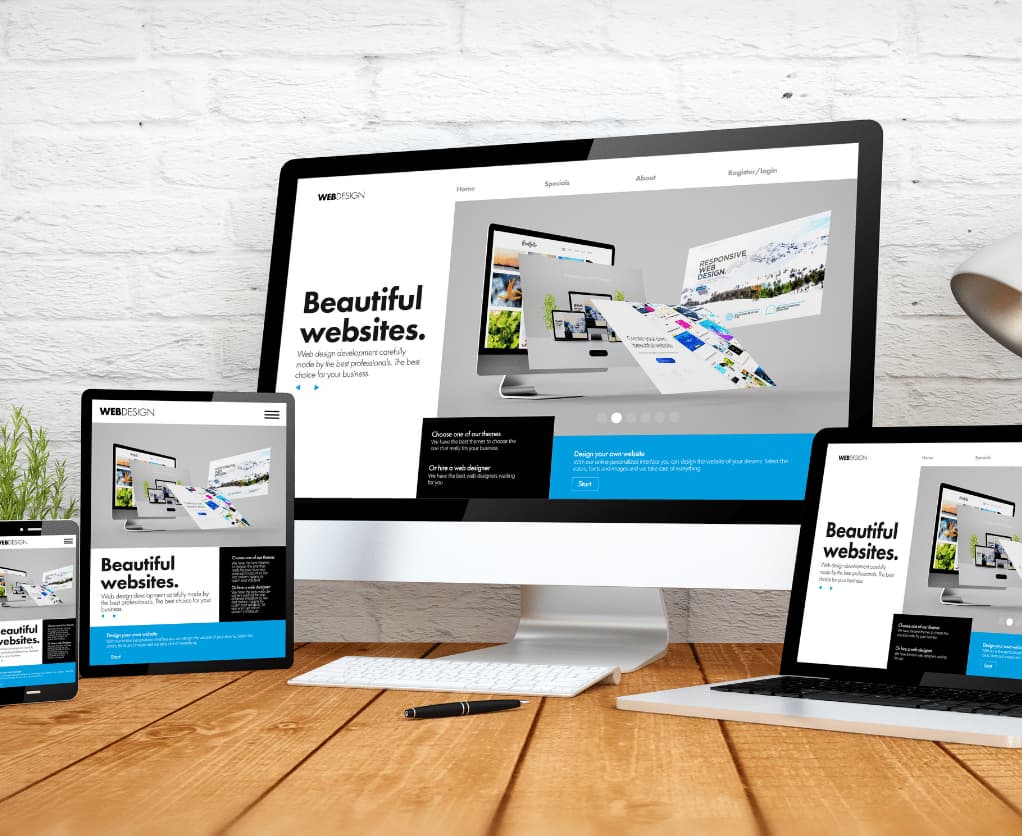
The boundaries between the physical and digital worlds are becoming increasingly blurred. Advances in augmented reality (AR) and virtual reality (VR) are enabling interactive, three-dimensional web experiences. Instead of static pages, users are immersed in virtual showrooms or interactive product presentations. These immersive technologies offer completely new possibilities for e-commerce, education and entertainment. Designers need to learn to think spatially and create intuitive interactions in 3D environments.
The integration of AR and VR into websites opens up fascinating possibilities. In the e-commerce sector, customers can virtually place products in their own environment or try them on. Educational websites use immersive technologies to vividly convey complex concepts. In the entertainment industry, interactive storytelling formats are emerging that actively involve the user in the plot. This development requires designers and developers to acquire new skills and rethink the way we design and present digital content.
High performance & speed optimization: lightning-fast user experiences
High performance and speed optimization will remain crucial factors for the success of your website in 2025. Users expect lightning-fast loading times and smooth interactions. Modern technologies such as server-side rendering and edge computing ensure minimal loading times and a fluid user experience. Progressive Web Apps (PWAs) continue to gain popularity, offering app-like experiences directly in the browser. This focus on speed not only improves user satisfaction, but also has a positive effect on search engine rankings.
But it’s not just about how quickly pages load: developers are increasingly using techniques such as lazy loading, in which content is only loaded when it appears in the visible area of the screen. Content Delivery Networks (CDNs) distribute content globally and reduce latency times. Optimizing images and videos using new compression techniques also helps to improve loading times. These measures ensure a seamless and fast user experience, regardless of the device or network speed.

Accessibility & inclusive designs: accessibility for all
Accessibility is not just a nice-to-have, but is becoming increasingly important legally and ethically. Web designers are increasingly taking into account the different needs and abilities of users. From screen reader compatibility to improved keyboard navigation, inclusive designs enable everyone to access digital content. This trend not only promotes social responsibility, but also opens up new target groups and improves overall user-friendliness.
Implementing accessible designs requires holistic thinking. Designers ensure sufficient color contrasts, clear hierarchies and simple navigation. Developers implement ARIA attributes and semantic HTML to provide screen reader users with an optimal experience. It is also becoming more and more important to consider users with motor impairments by providing larger click areas and alternative input methods. Inclusive designs not only improve accessibility, but often also the general usability for all users.
User-centered micro-interactions: details that inspire
User-centered micro-interactions give websites a distinctive character. Small, well-thought-out animations or feedback effects make interaction with the site more intuitive and more pleasant. Hover effects, reactions when you click or changing buttons create a lively and responsive feel. These subtle details contribute to brand identity and improve the overall user experience. Designers focus on making every interaction meaningful and engaging.
The art of micro-interactions lies in their subtlety and purpose. A gentle pulsation of a button can draw attention without being intrusive. Animated transitions between page states create a fluid navigation experience. Even small gestures, such as a flashing like button, can strengthen emotional connections to the brand. These details may seem insignificant at first glance, but they add up to a coherent and appealing overall experience that inspires users and binds them to the website.
Responsive design for new device classes: flexibility as the key
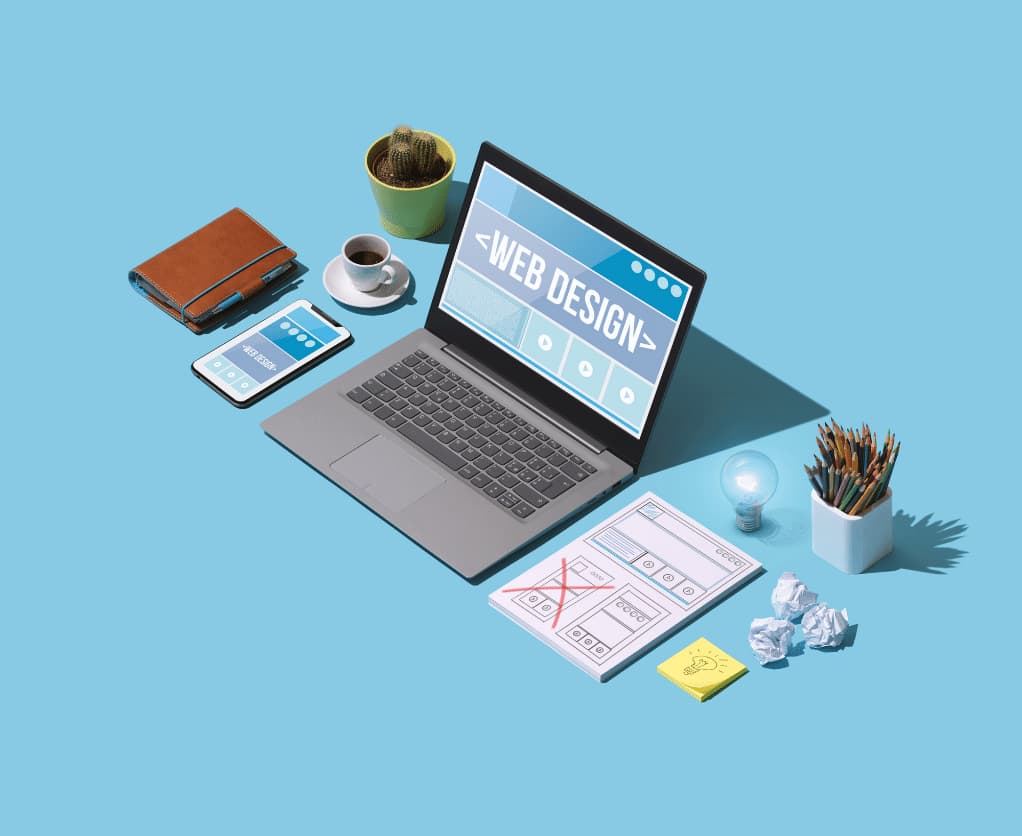
Responsive design is evolving to include new device categories. In 2025, we use a wide variety of devices in different sizes and shapes. In addition to smartphones and tablets, designers have to consider wearables, foldables and other innovative technologies. Flexible layouts and adaptive content enable seamless transitions between different screen sizes and input methods. This trend requires holistic design thinking.
The challenge lies in creating a consistent user experience across all devices without neglecting the specific strengths of each platform. For foldables, designers will need to develop layouts that adapt seamlessly between folded and unfolded states. For wearables such as smartwatches, the challenge is to present complex information in a meaningful way in the smallest possible space. The integration of voice and gesture control will also become more important. Responsive design in 2025 means offering the optimal display and interaction for every device and every situation.
Sustainability & “Green UX”: environmentally conscious web design
In 2025, designers and developers are increasingly relying on resource-saving solutions. Data-efficient images and videos, lean code architectures and energy-efficient hosting solutions reduce the ecological footprint of websites. This focus on sustainability not only improves performance, but also meets the growing environmental awareness of users. “Green UX” is becoming a decisive factor in the design and implementation of modern web projects.
Designers choose environmentally friendly color palettes that consume less energy on screens when implementing sustainable web design practices. Developers optimize code and reduce unnecessary scripts to conserve server resources. Content strategies focus on long-lasting, reusable content rather than short-lived trends. Even the choice of hosting provider plays a role – providers that use renewable energies are preferred. These measures add up to a significant contribution to reducing the digital carbon footprint.
Quo vadis? Where is this all headed?
The web design trends for 2025 show a clear development towards more intelligent, inclusive and sustainable digital experiences. AI-supported personalization, immersive technologies and user-centered designs shape the future of the web. At the same time, performance optimization and accessibility remain important cornerstones of successful websites. Designers and developers are faced with the exciting task of creatively implementing these trends while always putting the user first. The future of web design promises fascinating possibilities and new challenges that will fundamentally change the way we experience the internet.